Get Backflow Preventer Installation
Backflow preventer installation services help property owners stop contaminated water from flowing back into the main supply, typically involving plumbing and irrigation system projects handled by local contractors.
If you’re a property owner considering backflow preventer installation, you’re in the right place to explore your options. Proper backflow prevention is an important aspect of maintaining a safe and functional plumbing system, helping to protect your property’s water supply from potential contamination. Local contractors who specialize in backflow preventer installation can provide the expertise needed to assess your property’s specific needs and recommend the most effective solutions.
Comparing different service providers in your area can ensure you find a team experienced in handling backflow prevention systems tailored to your property type. Whether you’re upgrading an existing system or installing one for the first time, connecting with qualified local contractors can support your planning process and help you make informed decisions. Keep reading to learn more about how professional installation services can benefit your property.
- Backflow preventer installation for new plumbing systems - when building a new property or upgrading existing plumbing infrastructure.
- Backflow preventer replacement services - when existing devices are outdated, damaged, or no longer functioning properly.
- Backflow testing and inspection services - as part of routine check-ups to ensure water safety and code compliance.
- Backflow preventer repair services - when devices are malfunctioning or showing signs of leaks or other issues.
- Commercial backflow preventer installation - for businesses requiring compliance with safety regulations and water quality standards.
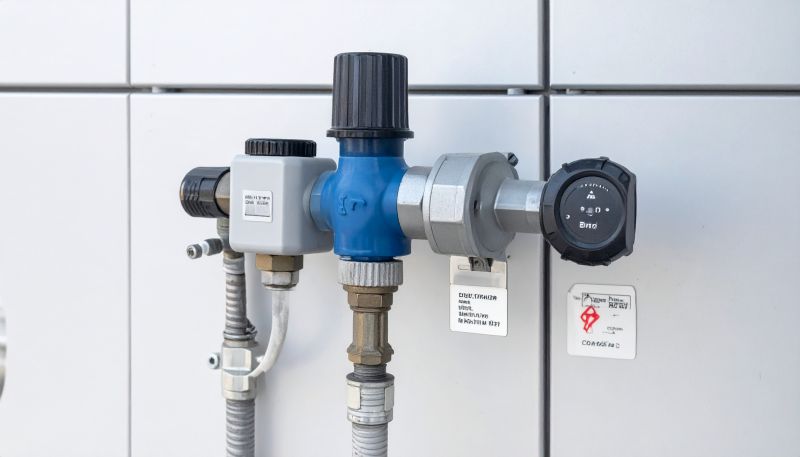
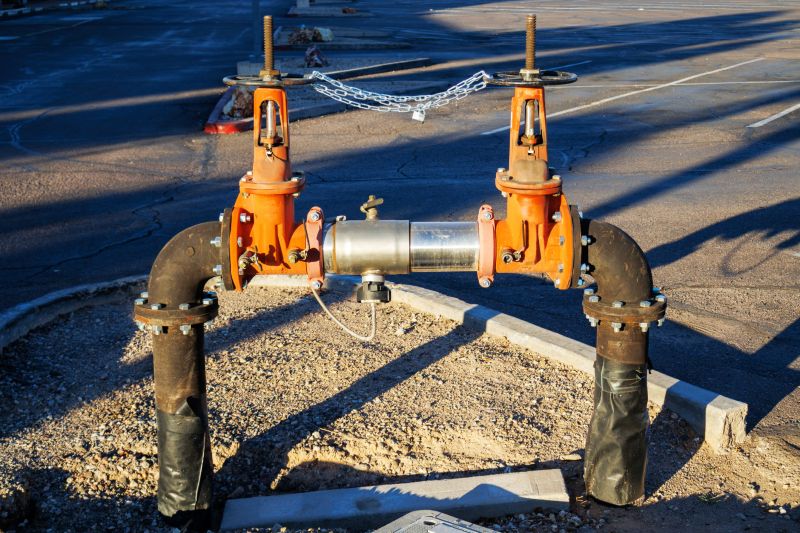
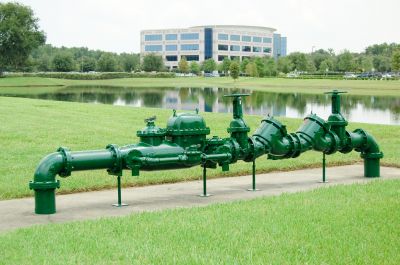
Backflow preventer installation is a crucial service that helps protect a property's water supply from contamination. The device works by stopping contaminated water from flowing backward into the clean water lines, which can happen due to pressure changes or sudden disruptions in the water system. When installed correctly by experienced service providers, a backflow preventer ensures that drinking water remains safe and free from pollutants that could pose health risks. This service typically involves assessing the property’s plumbing system, selecting the appropriate type of backflow preventer, and installing it in the correct location to provide effective protection.
Many common plumbing issues are addressed through backflow preventer installation. For example, properties near agricultural areas or industrial zones may face higher risks of water contamination from nearby activities. Additionally, properties with irrigation systems, fire suppression systems, or commercial plumbing setups often require backflow preventers to meet safety standards and prevent cross-contamination. Installing a backflow preventer can also help property owners comply with local codes and regulations that mandate backflow prevention to safeguard public health and water quality.
Properties that usually benefit from backflow preventer installation include residential homes, especially those with well water or irrigation systems, as well as commercial buildings, restaurants, and industrial facilities. Homes with private wells or sprinkler systems are particularly vulnerable to backflow issues and should consider installing a backflow preventer as a preventative measure. Commercial properties that handle or store chemicals, or have complex plumbing arrangements, often need backflow preventers to prevent contamination of the municipal water supply. Consulting with local contractors can help determine if a property requires this type of protection based on its specific plumbing setup and usage.
When considering backflow preventer installation, property owners should understand that the service involves more than just equipment placement. It requires careful assessment of the existing plumbing system, selecting the right type of device-such as a reduced pressure zone (RPZ) or double check valve-and ensuring proper installation to maintain water safety. Local service providers can evaluate individual property needs, recommend suitable solutions, and handle the installation process efficiently. This service is an important step in maintaining a safe, reliable water supply for homes and businesses alike, especially in areas where water quality concerns are prevalent.
The overview below groups typical Backflow Preventer Installation projects into broad ranges so you can see how smaller, mid-sized, and larger jobs often compare in your area.
In many markets, a large share of routine jobs stays in the lower and middle ranges, while only a smaller percentage of projects moves into the highest bands when the work is more complex or site conditions are harder than average.
Smaller Repairs - Typical costs for routine backflow preventer repairs or adjustments range from $250 to $600. Many minor service jobs fall within this middle range, depending on the specific issue and accessibility.
Full Backflow Preventer Installation - Installing a new backflow preventer can cost between $1,000 and $3,000 for standard systems. Larger or more complex installations may reach $4,000 or more, though these are less common.
Replacement of Older Units - Replacing an outdated backflow preventer generally costs $1,200 to $2,500. Many projects in this category tend to stay within this range, with some larger or custom installations pushing higher.
Complex or Commercial Projects - Larger, more complex backflow preventer projects for commercial properties can cost $5,000 or more. These tend to be less frequent but are handled by specialized local contractors with experience in high-scale systems.
Actual totals will depend on details like access to the work area, the scope of the project, and the materials selected, so use these as general starting points rather than exact figures.
Irrigation System Installation - this project involves planning and installing underground piping, similar to backflow preventer setups to protect potable water supplies.
Water Line Repair and Replacement - repairing or replacing water lines requires careful planning and the use of specialized tools, skills also essential for backflow preventer installation.
Sprinkler System Setup - installing and maintaining sprinkler systems involves understanding water flow and pressure, which aligns with backflow prevention techniques.
Plumbing System Upgrades - upgrading residential or commercial plumbing systems involves similar planning, pipework, and knowledge of water safety measures as backflow preventer installation.
Water Meter Installation - installing water meters requires precise connections and an understanding of water flow, skills applicable to backflow preventer projects.
Leak Detection and Repair - locating and fixing leaks involves diagnostic skills and pipework expertise that are useful for backflow prevention system setup.
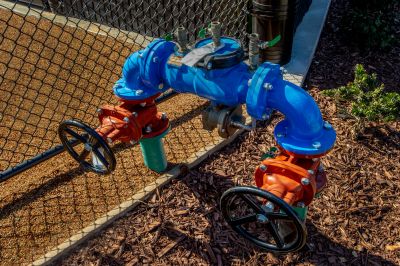
When comparing service providers for backflow preventer installation, it is important to assess their experience with similar projects. Homeowners should look for local contractors who have a proven track record of successfully handling backflow prevention systems in residential settings. An experienced professional will be familiar with common installation challenges and local building codes, which can contribute to a smoother process and reliable results.
Clear written expectations are essential for ensuring that both parties understand the scope of work, materials to be used, and any specific requirements. Homeowners should seek out service providers who can provide detailed estimates or proposals that outline the work involved. Having this information in writing helps prevent misunderstandings and provides a reference point throughout the project.
Reputable references and good communication are key indicators of a trustworthy contractor. Homeowners should consider reaching out to previous clients or reading reviews to gauge the quality of the work and customer service. Additionally, choosing local pros who are responsive and transparent in their communication can help ensure the project proceeds efficiently and meets expectations. It is important to remember that the site connects homeowners with local options; it does not perform the work itself.
Property owners use Backflow Preventer Installation services for practical projects around their homes and businesses. This guide focuses on everyday jobs and straightforward project options.
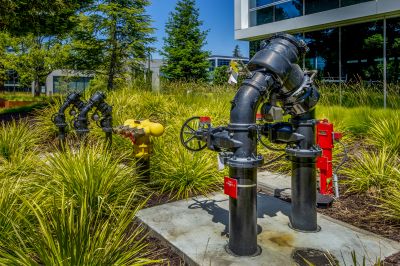
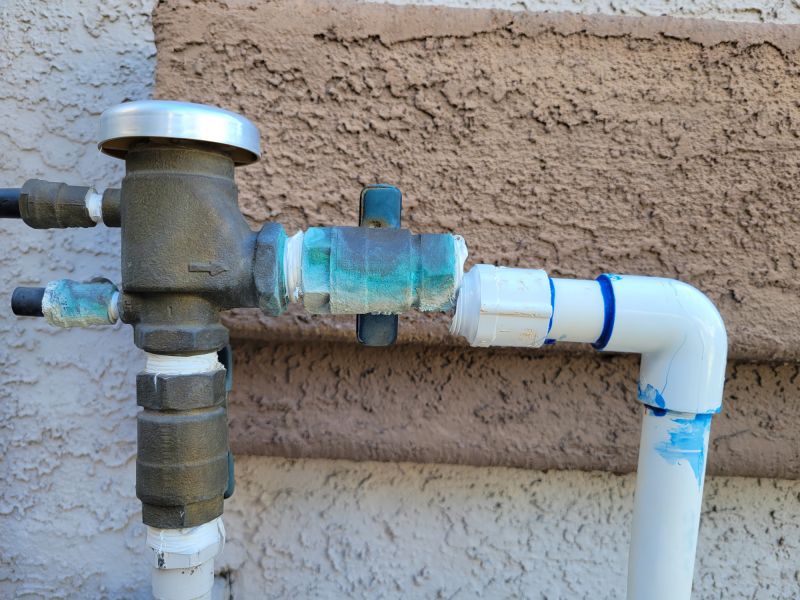
Backflow preventer installation is a common service sought by property owners who want to protect their water supply from contamination. This is especially important in situations where there are irrigation systems, fire suppression systems, or other connections that could potentially cause backflow into the main water line. Local contractors can assess the property's plumbing setup and install backflow preventers to help ensure clean, safe water for everyday use.
Many property owners look for backflow preventer services when preparing for new construction, renovations, or when existing systems are outdated. Additionally, local service providers can assist in maintaining compliance with local regulations and standards, which often require regular testing and proper installation of backflow prevention devices. Connecting with experienced local contractors can help ensure the work is handled correctly and efficiently.
What is a backflow preventer? A backflow preventer is a device installed in plumbing systems to prevent contaminated water from flowing back into the clean water supply.
Why is backflow preventer installation important? Installing a backflow preventer helps protect the drinking water supply from potential contamination caused by backflow issues.
How do local contractors install backflow preventers? Trained service providers typically assess the plumbing system, select the appropriate device, and properly install it according to local codes and standards.
Can I choose the type of backflow preventer for my property? Yes, local service providers can help determine the best type of backflow preventer based on your property's specific plumbing setup.
What should I consider before scheduling backflow preventer installation? It's important to evaluate your property's plumbing configuration and consult with local professionals to ensure proper installation and compliance.
Backflow Prevention for Irrigation Systems - Ensuring your sprinkler system is protected from contaminated water backflow helps maintain a safe and functional landscape.
Protecting Residential Water Supplies - Installing backflow preventers can prevent pollutants from entering the main water line during plumbing issues or pressure changes.
Commercial Property Water Safety - Business owners can work with local contractors to install backflow preventers to comply with safety regulations and protect public health.
Preventing Cross-Contamination in Multi-Unit Buildings - Property managers can have backflow prevention devices installed to keep shared water supplies safe across multiple units.
If you are thinking about Backflow Preventer Installation for a property, this guide is meant to help you understand the work, the typical project types, and how different options might fit your plans.
When you are ready, you can use the quote form on this page to share a few details about your project. From there, local pros can review the basics and respond with options that match what you have in mind.